


 Aeronautics
Breaking Bias in Everyday Decision-Making
Insights from ALTEN’s Conversations for Equality panel discussion
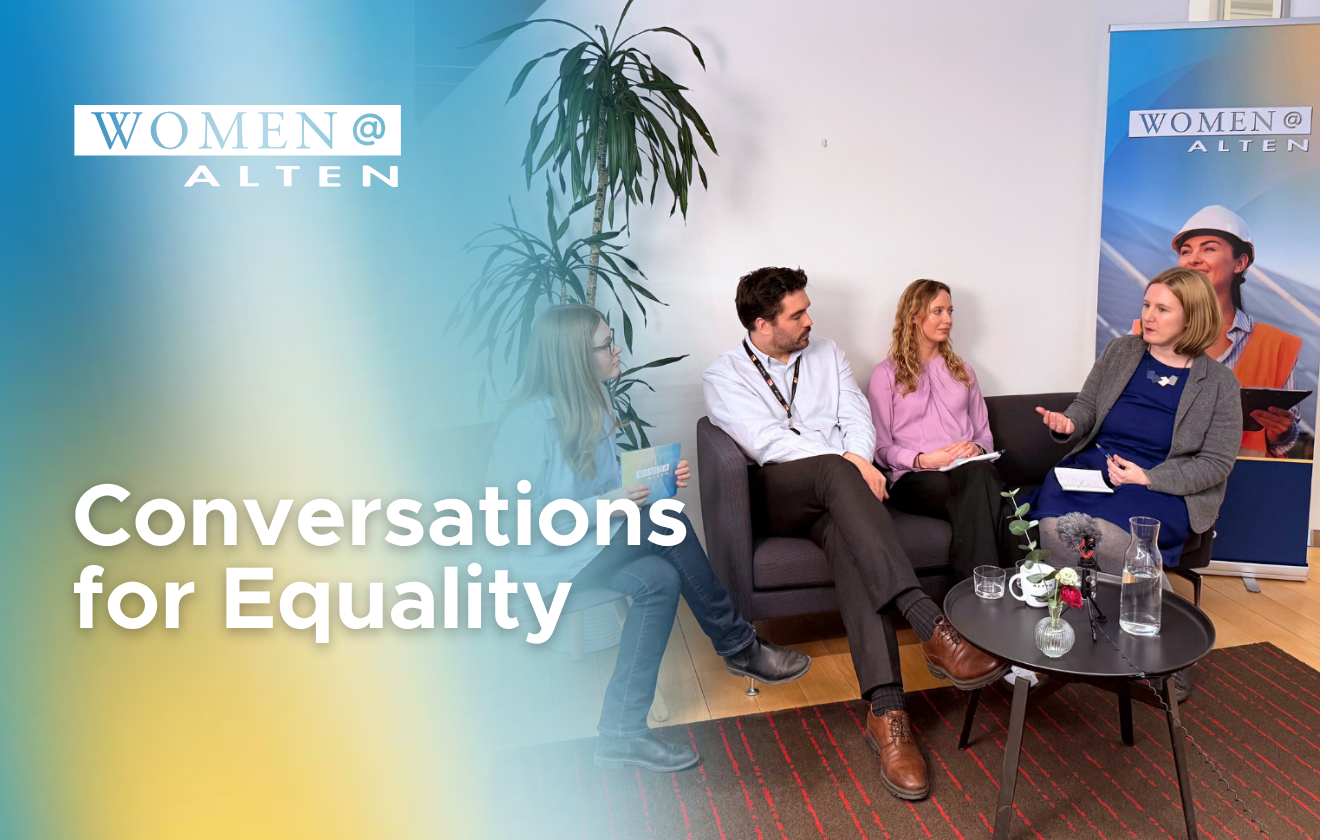
As part of our ongoing commitment to strengthening women’s position in engineering and IT, ALTEN hosted a thought-provoking panel discussion in March, where three panellists came together to share diverse perspectives on gender equality. Led by the employee-driven network Women@ALTEN, the session focused on a crucial and often overlooked topic: how bias shapes everyday decision-making, and what we as individuals and groups can do about it.
While the initiative aimed to strengthen women’s position in engineering and IT, one message was made clear throughout the discussion: equality is everyone’s responsibility.
Meet the panellists:
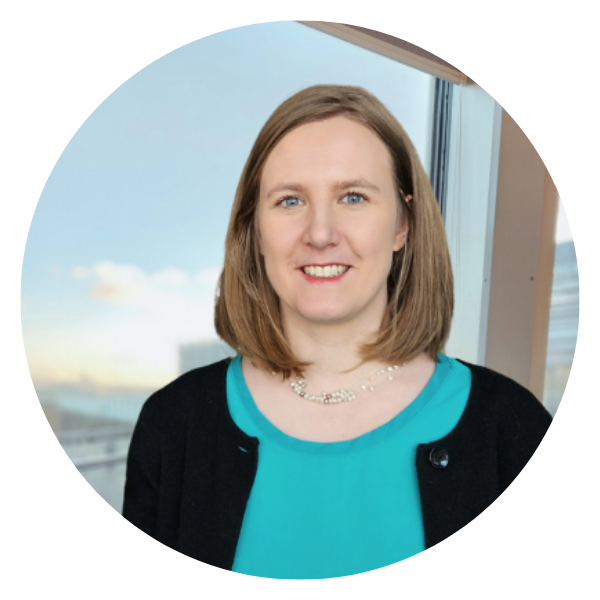
Irene Saonara is a consultant and Customer Experience Transformation Project Leader in the technological industry. Originally from Italy and now based in Sweden, she works closely with both business and technical teams, translating complex needs into actionable solutions while navigating diverse team dynamics.

Maria Brambeck is a Coaching Business Manager with six years of experience at ALTEN, both in Sweden and the United States. With her international background, Maria brings valuable insight and extensive experience leading large engineering teams within the commercial vehicle sector.
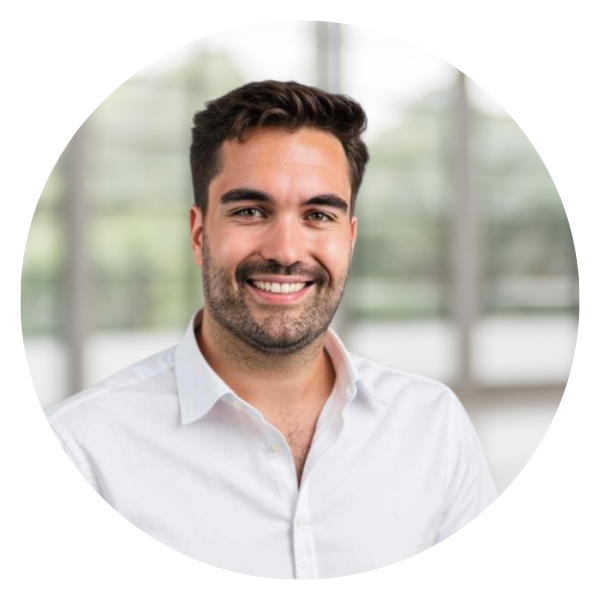
Stefan Jacobs is a Coaching Business Manager originally from the Netherlands, now based in Stockholm. With experience across multiple business areas and international markets, he brings a leadership perspective shaped by both operational and strategic roles within ALTEN.
Why everyday decisions matter
Throughout the discussion, the panel emphasised that the rapid pace of decision-making in consulting and technology environments can make it more difficult to identify and mitigate unconscious biases.
Biases are not limited to major strategic choices but show up in small, daily decisions such as who we hire, who we listen to in meetings, whose ideas we validate, and how we interpret competence and confidence. As one panellist, Maria Brambeck, put it: “Bias is human, but acknowledging it is what makes the difference.”
Creating meaningful and lasting change requires continuous dialogue, visibility, and action in our communities, society, and the workplace.
Key insights from the discussion
A recurring theme was how naturally people gravitate toward those who are like themselves, especially in recruitment and client interactions. As Maria Brambeck noted: “In our roles, we do quite a lot of recruitment and sales activities, and I think that is definitely where bias comes to show quite a lot. You tend to like people who are like you much more. And that is something that you really need to acknowledge when you’re moving through a process.”
This ‘similarity bias’ can quietly influence decisions, even when intentions are good. Recognising it is the first step toward fairer outcomes.
Many biases operate as blind spots. One panellist shared an example where a colleague hadn’t noticed a lack of gender diversity in a meeting until it was pointed out. Stephan Jacobs illustrates the blind spots that often go unnoticed in everyday situations: “To create a more inclusive culture, it’s important to understand the privilege you have, stay humble, be open to criticism, and remain aware that it’s not the intention, but the effect that matters.”
Creating environments where people feel comfortable giving and receiving feedback is essential for growth, as addressing bias isn’t always easy. The panellists emphasised the role of open communication and the importance of having a clear dialogue within teams: “It’s not about punishing each other. It’s about learning together. If you don’t share the views, it’s very difficult to make the change.” – Irene Saonara.
Whether it’s speaking up in a meeting or having a one-on-one conversation, open communication plays a vital role.
Additionally, the panellists shed some light on the importance of slowing down and taking time to think about decisions made: “One aspect is also to reflect on what kind of decision has been made, and what the criteria or basis for the decision was. Not every decision needs to be fast; maybe we need more data, maybe we need more evidence.” – Irene Saonara. Additionally, Stephan Jacobs emphasised the small actions that can be applied in daily work: “Taking time to reflect, individually or as a team, helps uncover patterns that might otherwise go unnoticed. Even taking a few extra minutes to reflect can significantly improve the quality and fairness of decisions.”
When asked about the impact of diversity and the future, the panel gave a simple but powerful answer: diverse teams bring us better decisions. “We should create an environment where everybody can choose what they want to do, not based on stigma or bias. Progress is already happening, but continued efforts in everyday decisions are needed at every level, from education to leadership.” – Maria Brambeck.
Rather than aiming for perfect numbers, the goal is clear: An industry where everyone has an equal opportunity to succeed.
Continuing the conversation
This panel discussion is just one step in ALTEN’s broader journey toward inclusion and equality. Through initiatives like Conversations for Equality backed by active internal networks and like Women@ALTEN, we continue to strive for increased diversity and representation in engineering and IT.