


 Aeronautics
Rethinking technology through a green lens
As demand for AI and cloud computing continues to grow, so does the need for reliable, energy-efficient and scalable digital infrastructure. Supporting this transformation requires strong expertise in manufacturing excellence, process design, industrialisation and continuous improvement.
At ALTEN Sweden, we help our clients strengthen their operations by combining engineering knowledge with practical, data-driven improvement methods. Our consultants work across functions to improve manufacturability, optimise processes, enhance quality and productivity, and support the delivery of sustainable, high-performance solutions. By bringing together expertise in engineering, operations, quality, supply chain and project management, we support our clients in solving complex industrial challenges and creating long-term value.
One example is Suleiman Feizi, one of ALTEN Sweden’s Process Design Engineers, who recently joined a project focused on supporting the development of a more sustainable digital infrastructure. We sat down with him to hear his perspective on his current project:
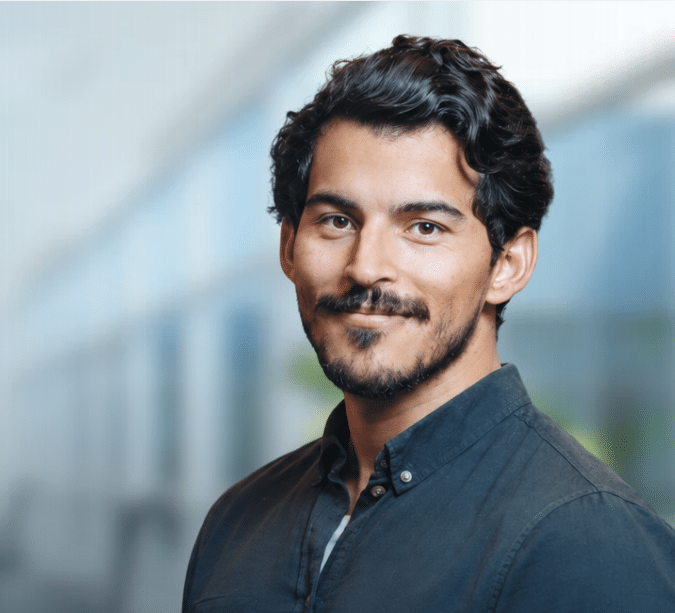 Suleiman Feizi
Process Design Engineer
“Throughout my career, I have focused on improving manufacturing processes, solving complex operational challenges and driving continuous improvement. I enjoy working across functions to turn ideas into practical solutions that create long-term value.”
How did you come to take on this role?
I have an academic background in Industrial Engineering and several years of experience in manufacturing, industrialisation, process improvement and project management within automotive and air tech. I recently joined this project as a Process Design Engineer.
Throughout my career, I have focused on improving manufacturing processes, solving complex operational challenges and driving continuous improvement. I enjoy working across functions to turn ideas into practical solutions that create long-term value.
This project felt like a natural next step because it combines technology, innovation and sustainability. As demand for AI and cloud computing grows, there is an increasing need for smarter and more sustainable data centre solutions. Being part of a project that contributes to this transformation is both exciting and meaningful.
What challenges did you encounter and how were those solved?
One of the initial challenges was learning about a new industry while simultaneously gaining an understanding of the clients’ products, manufacturing processes and operational environment. This is a common challenge in process engineering. Modern manufacturing environments are highly interconnected, requiring engineers to balance quality, efficiency, safety, cost and sustainability while driving continuous improvement.
Another challenge was ensuring alignment across different stakeholders. Engineering, manufacturing, quality and supply chain teams often have different priorities and perspectives. Bringing these viewpoints together requires clear communication, collaboration and a shared focus on business objectives. In a company where products support mission-critical applications such as data centres and telecommunications networks, maintaining high levels of reliability, process consistency and quality is especially important.
My approach has been based on continuous learning, collaboration and structured problem-solving. Before proposing improvements, I focus on understanding the process in detail by collecting data, observing operations, engaging with experienced colleagues and identifying root causes. This helps ensure that solutions address the underlying issues rather than just the symptoms. I also believe the best results come from teamwork. By working closely with stakeholders and combining technical analysis with practical operational knowledge, we can implement sustainable improvements that deliver measurable value.
What is the purpose of the project and how are you contributing?
The project supports the clients’ efforts to strengthen manufacturing excellence while delivering reliable and energy-efficient infrastructure solutions. The work involves close collaboration between engineering, operations, quality, supply chain and manufacturing teams to ensure products can be produced efficiently, consistently and at the quality levels expected by customers. What makes the project rewarding is knowing that process improvements contribute to more sustainable digital infrastructure worldwide.
My responsibilities include:
- Designing and improving manufacturing processes
- Supporting industrialisation and production readiness
- Driving productivity, quality and efficiency improvements
- Performing process analysis and root cause investigations
- Collaborating with engineering, production, quality and supply chain teams
I have quickly learned that success comes from combining technical expertise with teamwork. Every improvement, no matter how small, contributes to a larger objective: delivering reliable and efficient solutions that support the world’s digital infrastructure.
What were the main objectives of this project?
Key goals include improving efficiency and productivity, enhancing quality and process consistency, supporting manufacturability, reducing waste, increasing scalability and promoting continuous improvement. Ultimately, these improvements help enable the delivery of reliable and energy-efficient infrastructure solutions.
Did you use any innovative methodologies and tools to carry out this project?
The project combines proven engineering methodologies with a strong focus on continuous improvement.
Some of the key methods and tools include:
- Lean Manufacturing
- Process Mapping
- Failure Mode and Effects Analysis (FMEA)
- Root Cause Analysis
- Risk Assessments
- Continuous Improvement methodologies
- Data-driven decision-making using Power BI
What I find most innovative is not a single tool or methodology, but the combination of engineering expertise, digital technologies, operational data and cross-functional collaboration. By bringing these elements together, we can identify opportunities, solve complex challenges and continuously improve how we manufacture products and support our customers.
Suleiman Feizi and his current project are a strong example of the expertise found at ALTEN. We are proud to offer capabilities across technology, energy, defence, automotive, life sciences and many other key industries internationally.
Want to know more about what ALTEN Sweden can offer your business?